
Chapter 5: WHAT WAS GRADE SCHOOL LIKE FOR YOU?

On January 2, 2023, I expected to write one short story a week, answering a question. Six and a half weeks later, I had only four long stories. My writing was not a collection of discrete stories. They were more like a series of stories or chapters in a book. There was an elusive sense that the stories were pointing toward understanding my mantra, “I don’t know how I got here.” I was beginning to think HOW I GOT HERE might be a title for this thing I finally recognize as a book. I hadn’t considered offering it to an audience beyond myself. So, on February 16, 2023, I started answering this fifth question with:
I changed the question; “What was school like for you?” There is no way to cover school in seven days. School and education are two of the most important concepts of my foundation. There are at least three divisions – grade school, high school, and undergraduate school. I believed I had good documentation to write about grade school and high school. Undergraduate school seemed vague without documentation.
Looking at the enormity of these three divisions caused me to think “however long it takes,” instead of the seven-day schedule. The book itself became like a master or boss who demanded my attention. Yes, it is an insistent character in my life, like a character in any other story. I thought I might satisfy my master and stop with my high school graduation or include sketchy insights into my undergraduate education. The idea of discussing the reasons for my graduate school venture scared me. That was a part of me I thought that I would never reveal to anyone.
All my grade cards, from first through twelfth grades, have survived in my possession, except for a significant one. I’ve browsed them from time to time in the past, then again as I started writing about the memories they awaken. Focusing on those from grade school gave me insights into this chapter that I have only loosely recognized before. Let’s see where they take me/us.
This chapter could stand alone as a journal, following my descent into failures, then building perseverance to overcome my invisible dyslexia disability.
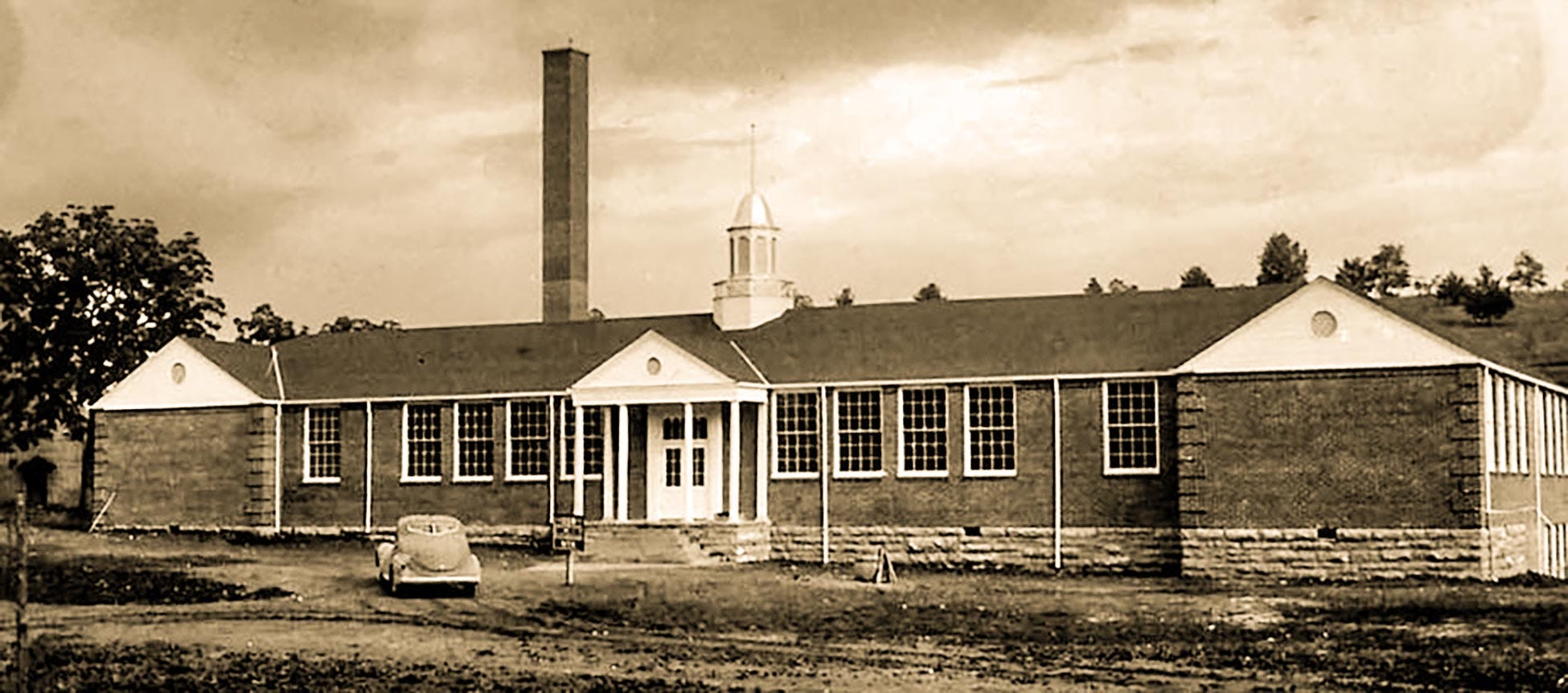
The grade cards identified my teachers and school principles. These brought memories of the buildings and playground. Grades and notes to my parents gave me a clear picture of how much I struggled. Memory of the pain came back. Very few people anywhere knew that dyslexia existed, certainly not in my 1950s and 1960s school system. I didn’t have its name or description until I was thirty years old.
I finished the chapter by saying:
“For the first time, I was thinking there might be broader interest in my book than a few people close to me. Nevertheless, the thing pulling me along was discoveries within myself ‒ not an intent to publish these pages. I simply woke up every morning with drafting on my mind and no articulated goals. I didn’t need to push myself to write. It was hard to postpone authoring until I could find time to record my thoughts. I was creating for the sake of creating, not for an audience.”
David
J David Lewis Photography | Substack